
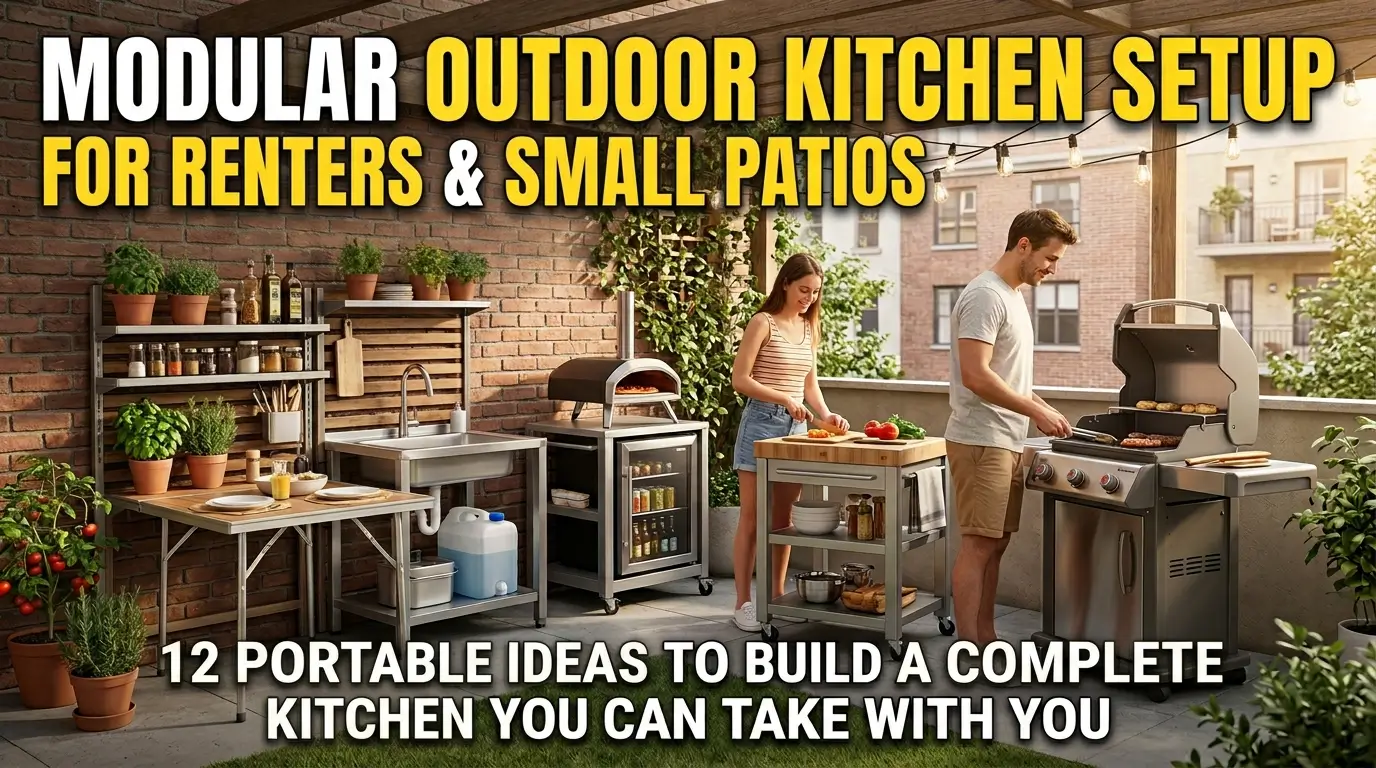
Renting changes the calculation on outdoor spaces in the same way it changes the calculation on indoor ones. You cannot pour a concrete counter. You cannot fix a pergola to the boundary wall. You cannot tile the patio floor or build a pizza oven into a corner that belongs to someone else. The landlord’s permission covers a narrow range of improvements and a permanent outdoor kitchen structure is almost never within it.
The assumption this creates is that renters simply cannot have a proper outdoor kitchen. A portable grill, a plastic table, and a couple of folding chairs represent the ceiling of what is possible on a rented patio. That assumption is wrong.
Modular outdoor kitchen systems have changed this entirely. The same design thinking that produced flat-pack furniture and modular shelving has been applied to outdoor cooking, and the results are outdoor kitchen setups that are complete, attractive, and genuinely functional without a single permanent fixing. They sit on the patio on their own weight. They connect to LPG without a fixed gas line. They provide counter space, storage, a cooking surface, a sink, and a refrigerator without requiring permission from anyone. And when the lease ends, they come apart, pack down, and move to the next home.
For renters with a small patio, a balcony garden, or a compact outdoor space that needs to do more than hold a plastic table, modular outdoor kitchen systems offer a real and increasingly accessible solution. Here are 12 ideas for building a modular outdoor kitchen setup that works for renters, fits a small patio, and travels with you when you leave.
Modular Outdoor Kitchen Setup Ideas for Renters and Small Patios
1. Start With a Single Modular Base Cabinet
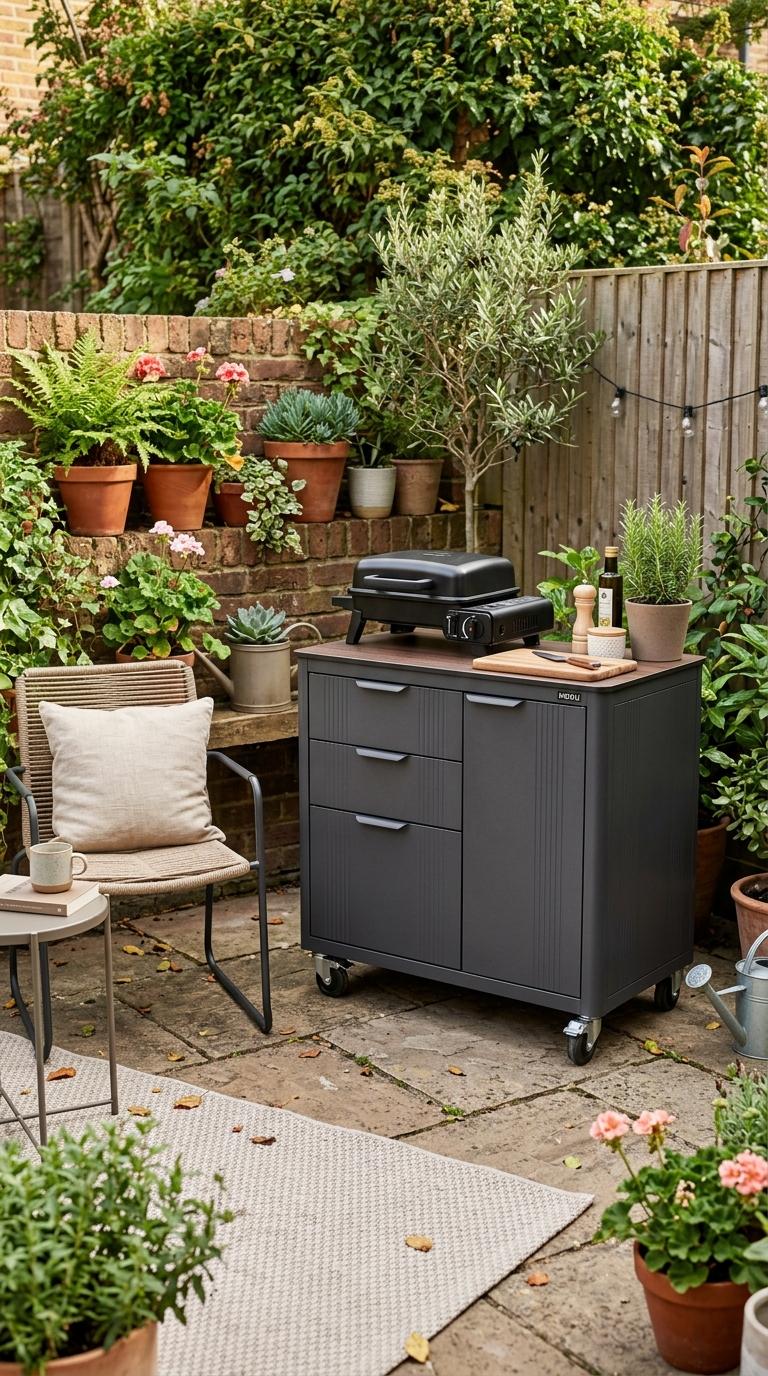
Every modular outdoor kitchen begins with one decision. Not the grill model, not the counter material, not the overall layout. The base cabinet system. The base cabinet is the structural unit that everything else in a modular outdoor kitchen attaches to, sits on, or integrates with. Getting this right at the start determines whether the system grows coherently as more modules are added, or becomes a collection of mismatched units that never quite fits together.
Choose a base cabinet system designed specifically for outdoor use, in a material that handles weather without requiring constant maintenance. Powder-coated aluminium is the best choice for most Indian outdoor conditions. It does not rust, does not warp, handles UV and humidity reliably, and is light enough that a single cabinet can be moved by one person. Buy one base cabinet first. Use it. Understand how it works in the space. Then add modules as the budget and the patio allows.
2. A Freestanding Grill Module as the Cooking Core
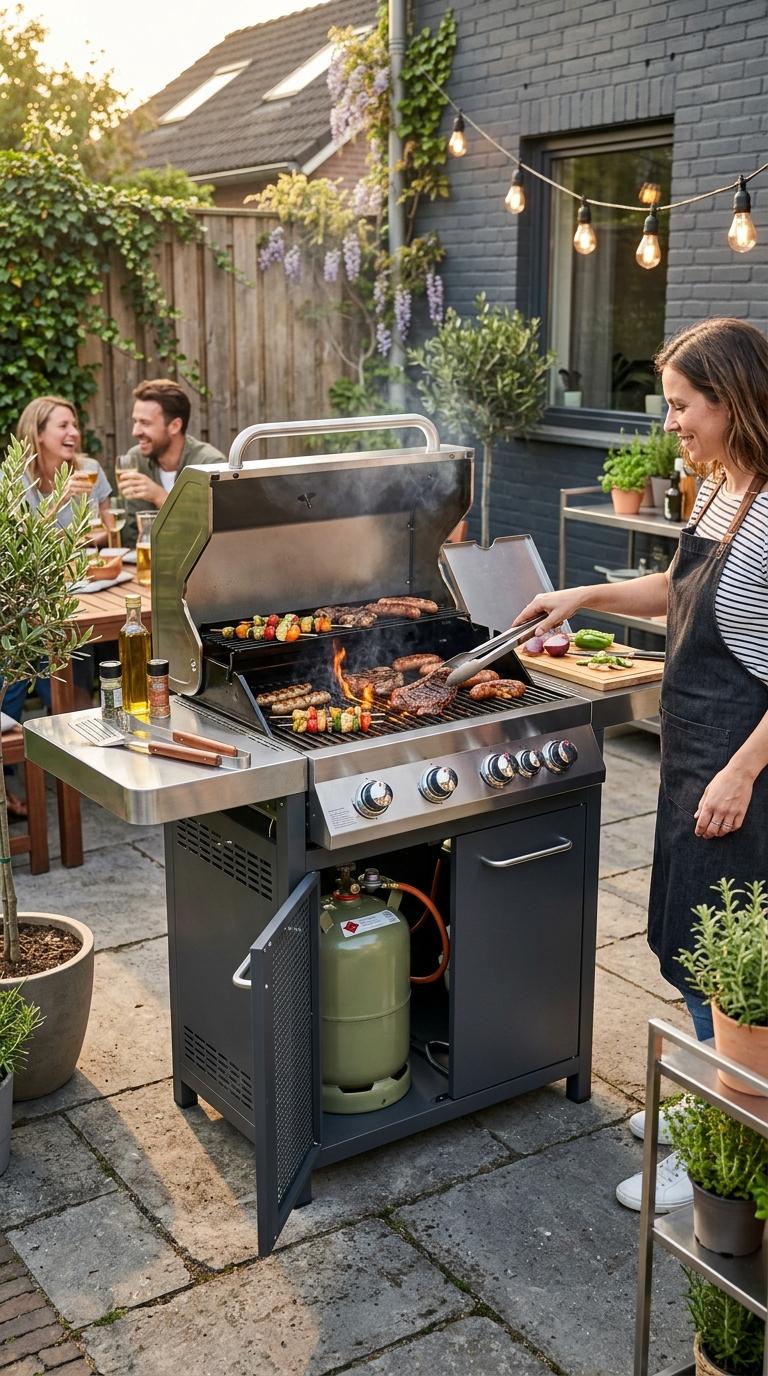
The grill module is the functional centre of any modular outdoor kitchen. In a modular system, the grill unit is a self-contained appliance that drops into or sits on a base cabinet of the correct width, connects to an LPG cylinder stored in the cabinet below, and provides a full outdoor cooking surface without any fixed installation.
For a small patio, a two-burner built-in grill module in a single-width cabinet provides enough cooking capacity for everyday outdoor cooking and casual entertaining without consuming excessive counter space. Specify a grill module with a cast iron or stainless steel grate, independently controlled burners, and a grease management tray. These three features make the difference between a grill module that performs well over time and one that becomes a maintenance problem within a season.
3. A Side Burner Module for Indian Cooking Requirements
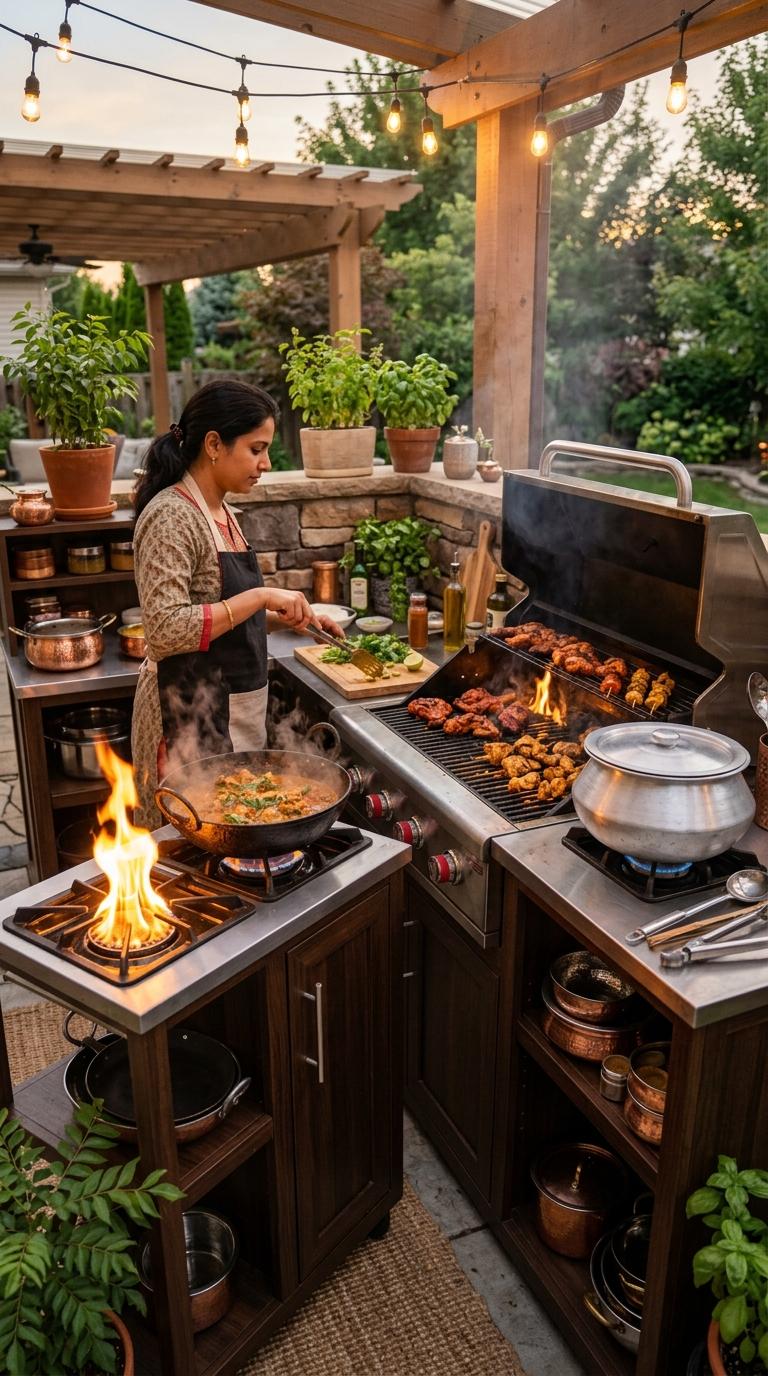
A grill alone does not cover the range of Indian outdoor cooking. The side burner module, a single high-output LPG burner set into its own base cabinet or integrated into the counter surface beside the grill, handles the stovetop cooking that a grill cannot. Dal, rice, tadka, chai, sauces, and anything that requires a pan or a pot goes on the side burner.
Position the side burner module immediately adjacent to the grill module so both cooking surfaces are within reach of a single standing position. In a modular system, the two units sit side by side with the same counter height and the same cabinet finish, reading as a single cooking station rather than two separate appliances. For Indian outdoor cooking, the combination of a grill module and a side burner module represents the minimum viable cooking setup.
4. A Compact Modular Sink Unit
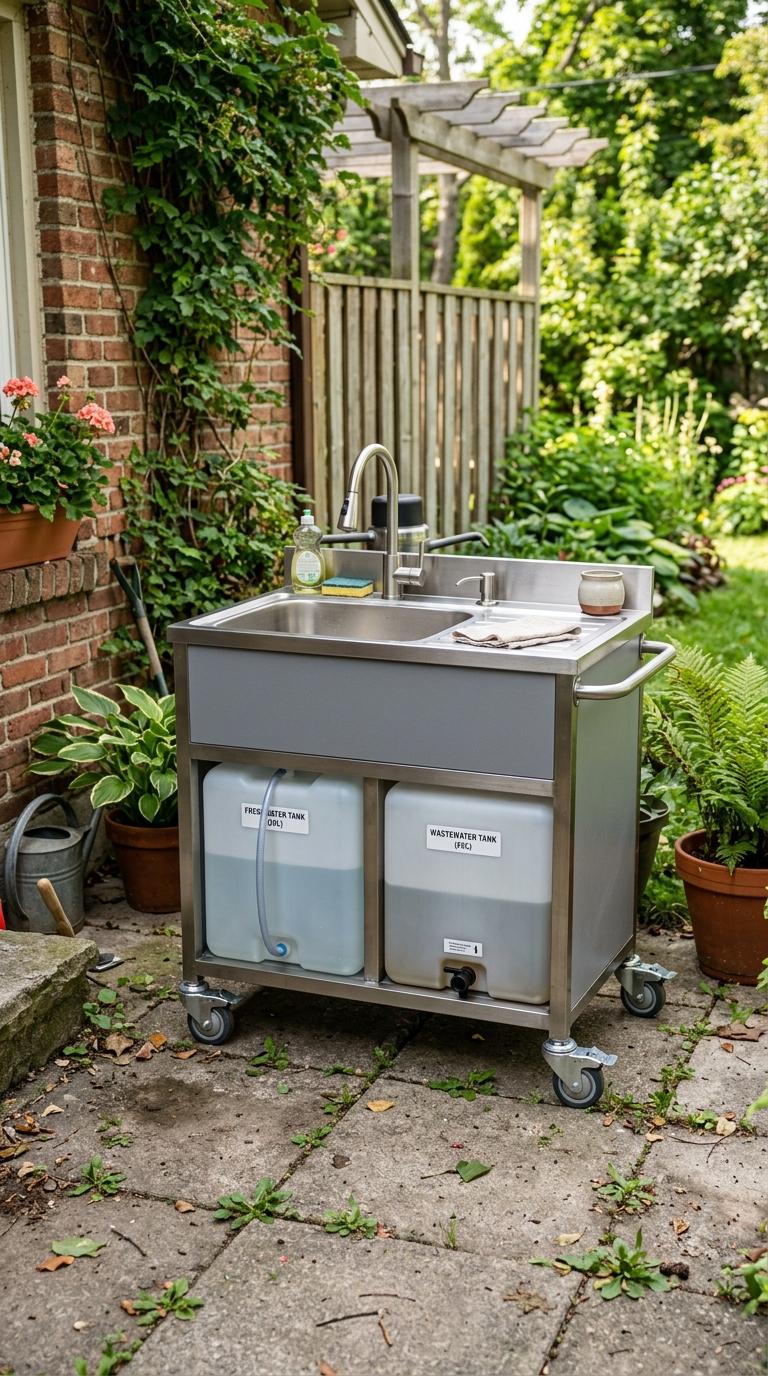
Running water on a patio without a permanent plumbing connection is more achievable than most renters assume. A self-contained outdoor sink module with a freshwater tank below the counter and a separate waste tank for drainage provides a fully functional prep and washing sink without any connection to the mains water supply.
Fill the freshwater tank before cooking. Empty the waste tank after. The tank capacities on most self-contained outdoor sink modules, typically 15 to 20 litres fresh and waste, are sufficient for a session of outdoor cooking and washing up without refilling. For a small patio where connecting to a mains supply is genuinely possible, a simple flexible hose connection to an outdoor tap and a drain hose run to the nearest gully converts the self-contained unit to a fully plumbed one.
5. A Modular Counter Extension for Prep Space
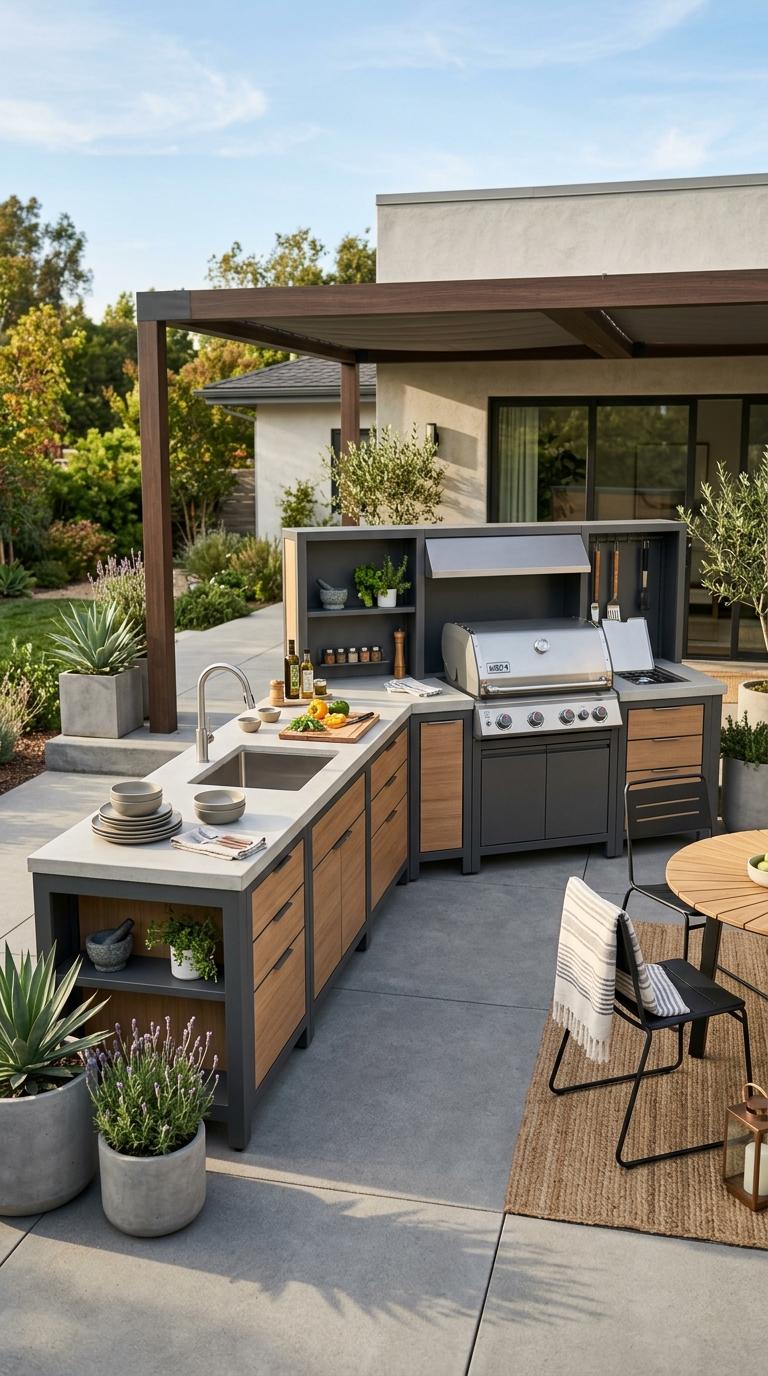
Counter space is the most persistent shortage in any small outdoor kitchen. A modular counter extension unit, a base cabinet with a solid countertop and no appliance cutout, added to either end of the cooking modules provides dedicated prep and plating surface without doubling the footprint of the overall setup.
In a modular system, the counter extension unit uses the same cabinet body and the same countertop material as the cooking modules, so the full run reads as a single, unified counter rather than a cooking unit with a table pushed against it. For a small patio setup, one counter extension module on each side of the cooking units creates a layout that handles prep, cooking, and plating in a logical left-to-right sequence within a compact overall width.
6. An Under-Counter Refrigerator Module
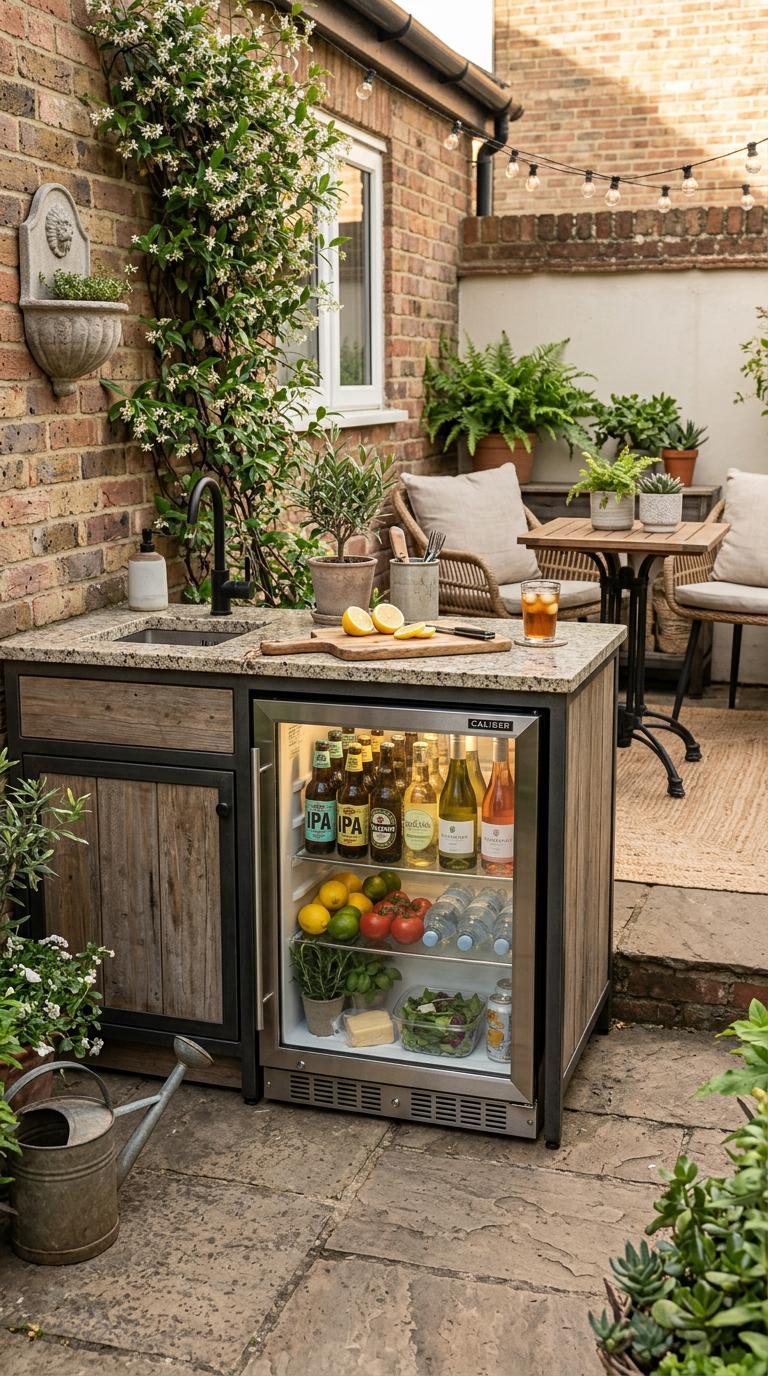
A compact outdoor-rated refrigerator integrated into the base cabinet run keeps drinks, marinades, and fresh ingredients at the correct temperature without requiring a trip indoors. In a modular outdoor kitchen on a small patio, an under-counter fridge module positioned at the end of the counter nearest the seating area means guests can access cold drinks without entering the cooking zone.
Specify a refrigerator unit rated for outdoor use. The ambient temperature range on an Indian patio, particularly in summer, exceeds what an indoor refrigerator is designed to handle. An outdoor-rated unit is specified for the temperature extremes of outdoor installation and will perform reliably where an indoor unit would struggle or fail. Connect via the same outdoor power point that supplies the kitchen lighting.
7. Configure the Modules in an L Before a Straight Line
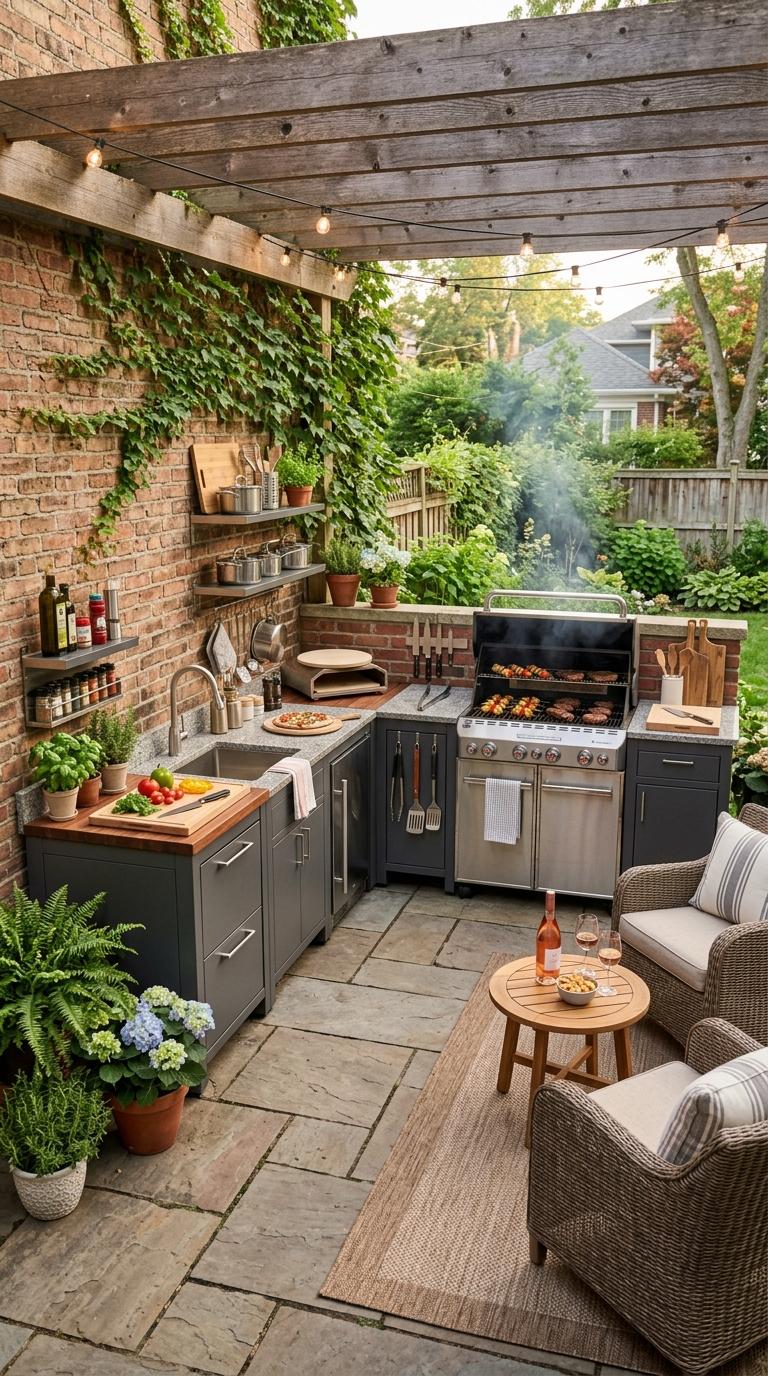
A straight single-wall configuration is the default for most modular outdoor kitchen setups and it works well for patios where the kitchen runs along one boundary. But an L-shaped configuration, achieved by turning one or two modules at a right angle to the main run, creates a more functional and more social outdoor kitchen in the same or smaller footprint.
The L creates a natural corner workspace that improves the cooking workflow, defines the outdoor kitchen as a distinct zone within the patio, and allows a bar counter or seating to be positioned at the open end of the L facing the cook. In a modular system, the L configuration requires no special components. The same base cabinets used in the straight run are simply positioned at a right angle. A corner filler module or a custom corner counter piece joins the two arms cleanly.
8. A Portable Pizza Oven on the Counter Surface
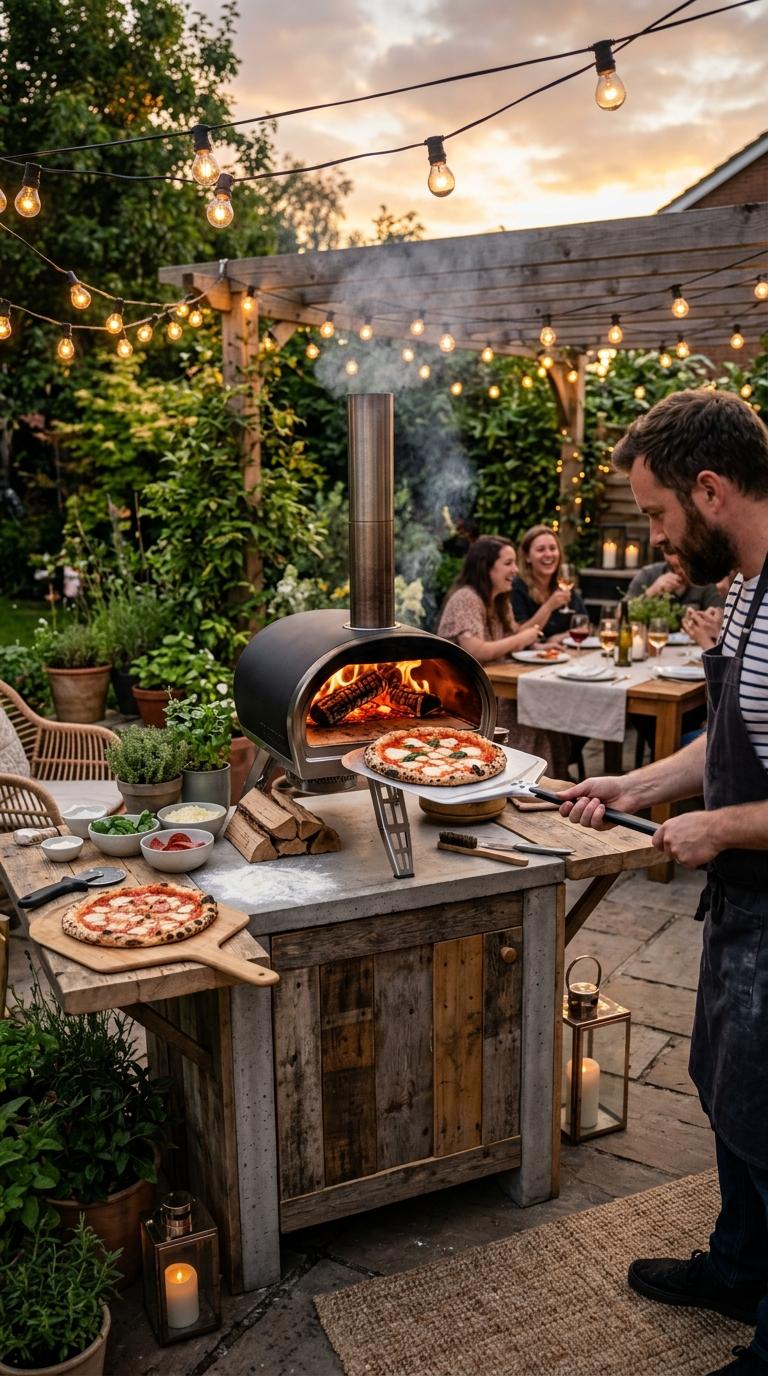
A modular outdoor kitchen for renters can include a wood-fired pizza oven without any permanent construction. Several compact, portable pizza ovens designed for counter or table-top use are now available at accessible price points, producing genuine wood-fired pizza at temperatures that conventional ovens cannot reach.
A counter-top pizza oven placed on the modular counter extension, used with dry hardwood or the proprietary fuel pellets sold for these units, adds a cooking capability to the renter’s outdoor kitchen that most permanent outdoor kitchens do not have. It requires no installation, no fixed flue, and no permission. It moves to the next home in a carry bag. For outdoor entertaining on a small patio, a portable pizza oven on a modular counter is the single addition that changes the character of the outdoor kitchen most dramatically.
9. A Freestanding Pergola or Shade Structure
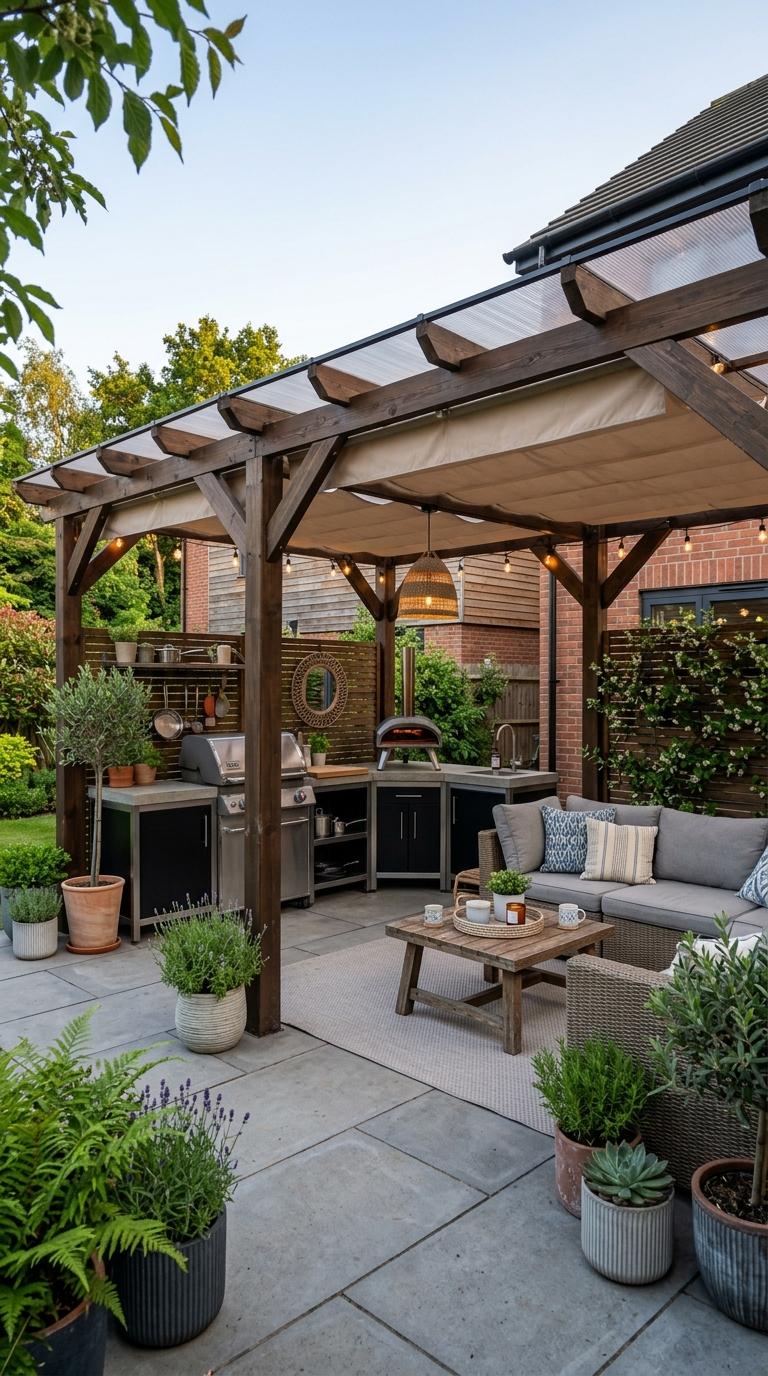
A covered outdoor kitchen is significantly more usable than an uncovered one, particularly in Indian conditions where rain and heat are both genuine obstacles to outdoor cooking comfort. A freestanding pergola, a shade sail on tension cables between anchor points, or a large market umbrella over the cooking area provides weather protection for a rented patio without any permanent wall or ground fixings.
Freestanding pergola systems with weighted base plates require no drilling and no ground anchoring. They are available in powder-coated aluminium with polycarbonate roof panels for full rain protection, or with open slat roofs for shade without full enclosure. Position the freestanding pergola over the modular kitchen and the adjacent seating area so the full outdoor room is covered. Weight the base plates adequately for the wind conditions of your location.
10. Outdoor Rugs and Furniture to Define the Patio Room
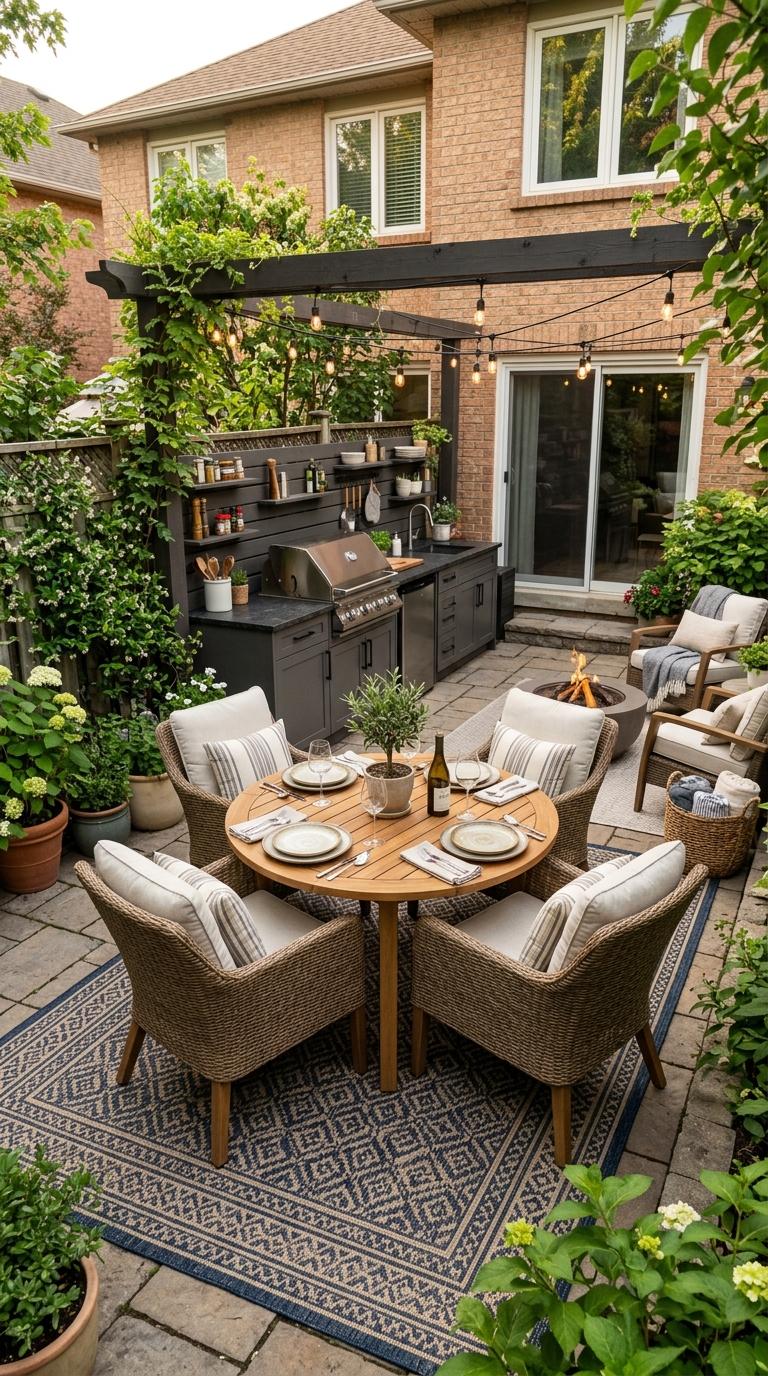
A modular outdoor kitchen sitting on a bare patio surface looks like equipment. The same kitchen on a defined outdoor rug, surrounded by furniture chosen to relate to it in scale and material, looks like a room. The distinction is significant and the investment required to cross it is modest.
An outdoor rug in a natural tone, sized to cover the full footprint of the kitchen and seating area, defines the outdoor room as a distinct space within the patio. Outdoor dining furniture or lounge seating in a material that relates to the kitchen cabinet finish, powder-coated steel or natural teak are both appropriate, completes the room. Add one or two large planted pots at the corners of the defined area to anchor it further. The goal is an outdoor space that feels composed and inhabited rather than furnished and functional.
11. Weatherproof Storage for When the Kitchen Is Not in Use
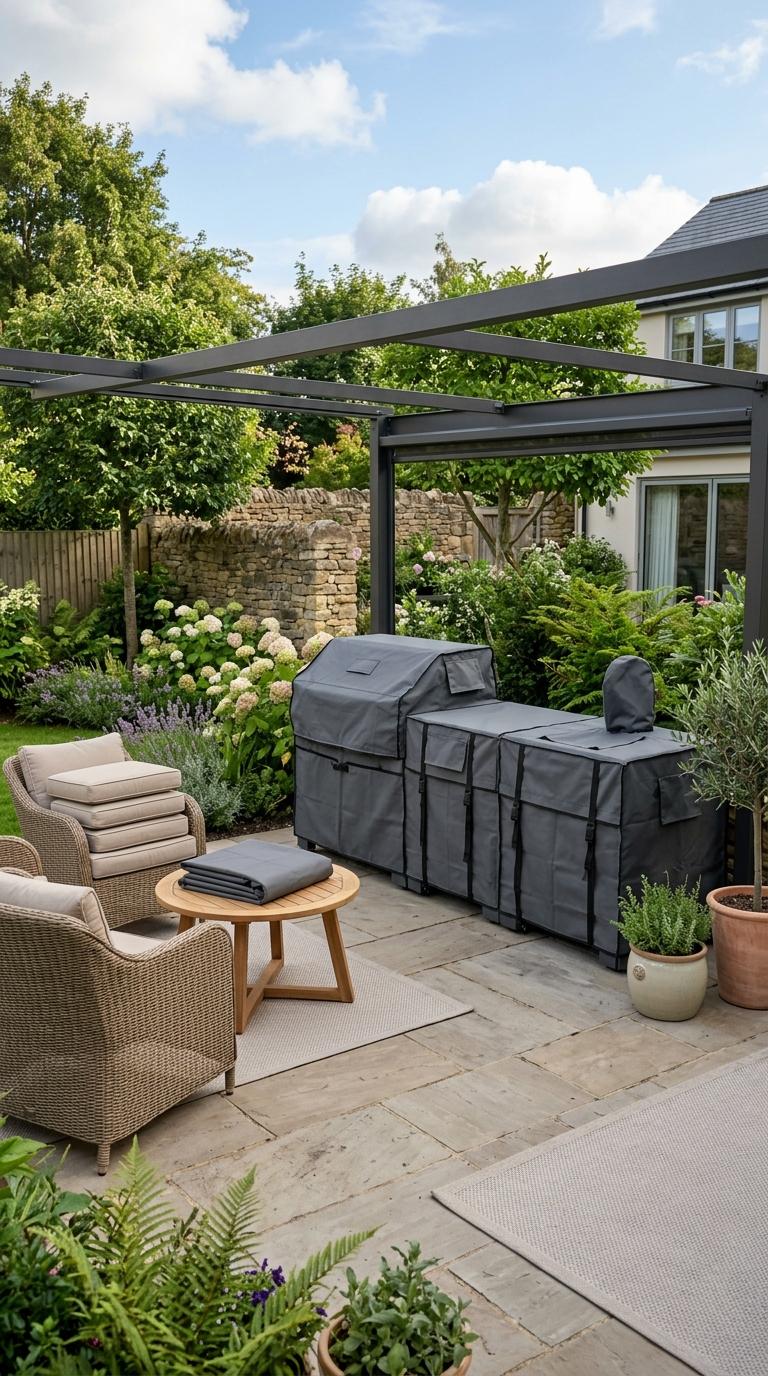
A small patio outdoor kitchen that is left fully exposed to weather and dust between uses deteriorates faster and looks worse faster than one that is covered and protected when not in active use. Modular outdoor kitchen covers, custom-fitted to the specific modules in the setup, are available from most modular outdoor kitchen manufacturers and protect the counter surfaces, appliances, and cabinet fronts from sun, rain, dust, and bird activity.
Where manufacturer covers are not available, a simple custom canvas cover made by a local tailor to fit the overall dimensions of the kitchen run provides adequate protection at minimal cost. Covering the outdoor kitchen between uses extends the life of every component, keeps the cooking surfaces clean and ready to use, and means the patio looks tidy rather than cluttered when the kitchen is not in active use.
12. Plan the Layout for the Next Home, Not Just the Current One
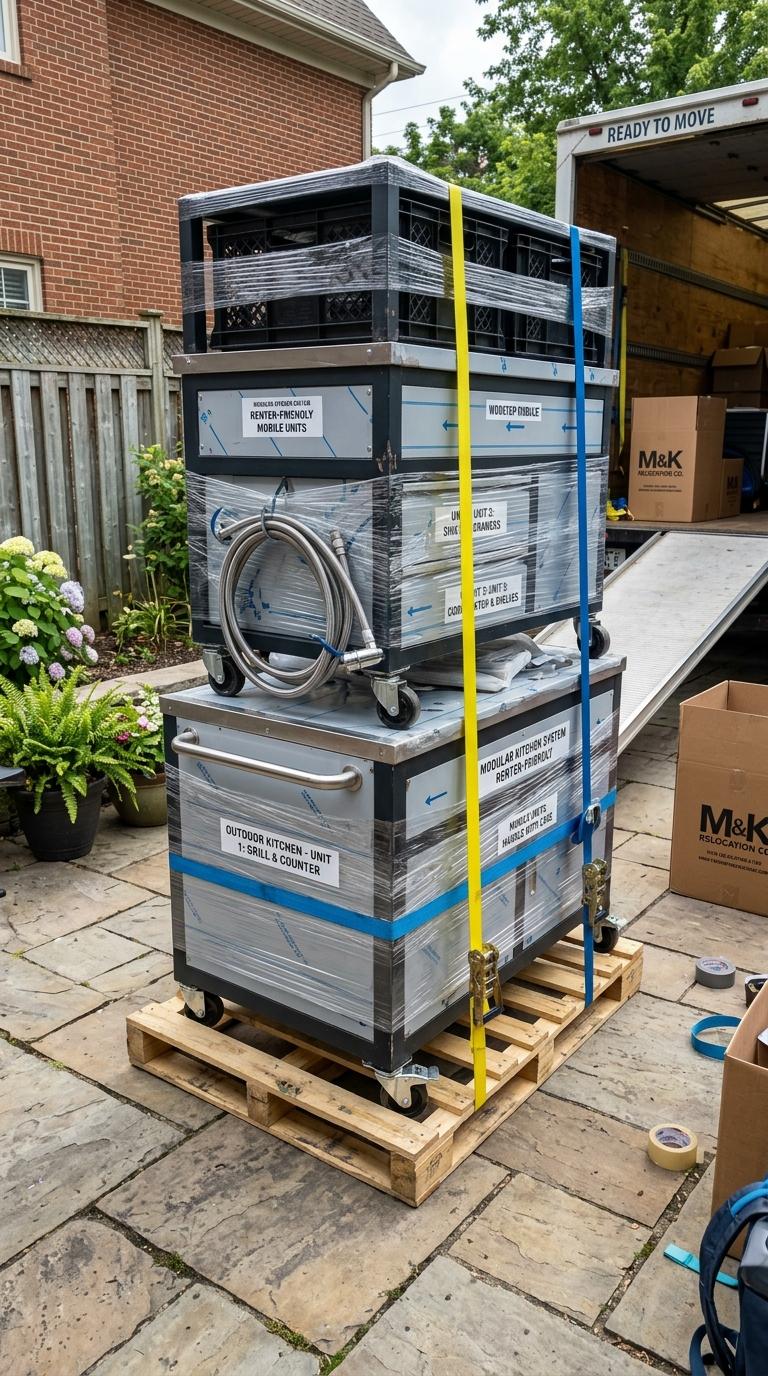
The defining advantage of a modular outdoor kitchen for a renter is portability. It moves. But portability only delivers on its promise if the system was chosen with future flexibility in mind rather than optimised entirely for the current patio layout.
Choose modules in standard widths that reconfigure into multiple layout options. Avoid modules with fixed plumbing or electrical connections that require a professional to disconnect. Choose a counter surface material and cabinet finish that works with a range of outdoor aesthetics rather than one that is matched precisely to the current patio tiles. Buy the shade structure in a freestanding format that works in any outdoor space rather than a tension system calibrated to the specific fixing points of the current rental.
A modular outdoor kitchen planned for portability from the start will work as well on the next patio as it does on this one. It will work on the patio after that too. Over three or four moves, the initial investment becomes increasingly sensible and the outdoor kitchen becomes something that follows you through multiple homes rather than something left behind at each one.
Take It With You Every Time
The outdoor kitchen that belongs to the renter rather than the property is not a compromise version of the permanent outdoor kitchen. It is a different thing entirely, with its own advantages. It is flexible where the permanent kitchen is fixed. It is adaptable where the permanent kitchen is committed. It moves when you move.
Build it carefully. Choose the modules for long-term portability. Configure the layout for the way you actually cook and entertain. Cover it when it is not in use. Add the shade structure, the rug, the planted pots, and the lighting that turn a kitchen setup into an outdoor room.
Then, when the lease ends, take all of it with you. The next outdoor space will be better for it.

Aarav Sharma is a passionate home and lifestyle writer. He loves exploring kitchen design, home decoration, and interior styling. With a keen eye for beautiful details and practical design ideas. Aarav Sharma shares inspiration to help readers create comfortable and functional living spaces.